A Requiem for the Appalachia of Yore
Neither a Hillbilly Elegy nor an Appalachian Eulogy, not a macabre autopsy of the deceased nor a critique of the living, but a humble prayer for that which is already gone.
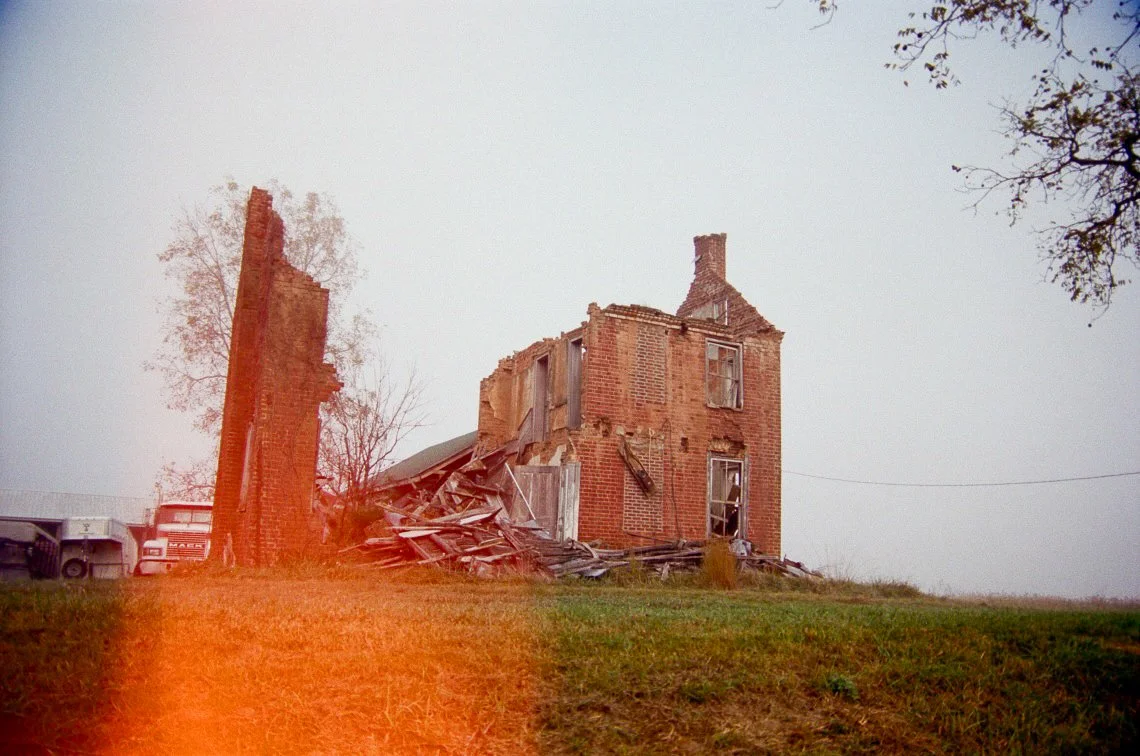
Dilapidated Structure - Shenandoah Valley, VA
In recent years there has been a sort of Appalachian renaissance. Many people who never thought too much about their subculture or identity decades ago, have come to be proud, and find a sense of belonging in understanding that they share a uniqueness and culture that perhaps they previously thought to be either the norm or a small eccentricity. Increasingly, there is a movement of art and literature that celebrates this collective awareness, with both social media, regional institutions, and armchair anthropologists (myself included) attempting to ride the wave of Appalachian interest. For some aspects of Appalachian culture, this newfound attention and appreciation has delivered a much needed breath of life, at a time when much of it is fading. However, when the culture you celebrate is a result of isolation, struggle, and conditions relevant to a world that has largely been deconstructed, there are elements of that culture that are eroded by this very means by which they are popularized.

A humble cabin near the border of North Carolina
For many of us champions of the Appalachian Identity, so much of what we love and profess is being left behind with the elder generation. This generation in many cases will tell you that perhaps their parents and grandparents even more accurately embodied what it meant to be Appalachian. It is no secret that much of what created the social conditions that fomented this unique American subculture is what is now seen as problems meant to be solved. Ease of access, connectivity to the globe and to the rest of the nation, education, financial investment, modernization, all are desperately needed to improve the quality of life for a region that has struggled since its inception. However, it must be noted that each of these advents chips away at an aspect of this vernacular culture. Those who now speak with an Appalachian dialect either do so intentionally or because they are raised around a majority who speaks that way. That majority shrinks with each passing generation, as we hear the voices on radio, television, and now the internet. Public school in my generation instilled into me that my way of speaking was erroneous, that our regional accents were mispronunciation and improper word use. As a result, a large share of my cohort dropped the accent. Which takes from the majority of dialectical speakers, which will erase the dialect over the course of a few generations without an intentional effort from a collective of Appalachian cultural enthusiasts. These preservers are so far outnumbered by those who encourage homogenization and assimilation, that the battle is effectively lost, and for many of us, the regional dialect is now more of a nostalgic eccentricity we attribute to the funny idioms of our grandparents.

Sunrise over Pisgah National Forest - Blue Ridge Mountains, North Carolina
It is both indefensible and also not my purpose to defend a lower standard of living as a necessary element to maintaining a culture. However, as the region grows and develops, the bastions of true Appalachian lifestyle are slowly eroded. Living off the land is no longer necessary to survive, thanks be to God. Hollers and isolated communities have infrastructure to provide access to population centers locally and nationally, thanks be to God! Education and college opportunity continue to spread through the region, thanks be to God! Thank you Lord for improvement, advancement, and the deliverance of a people often stuck in a difficult place. With all of this though, the culture is changed, it is no longer the default. There will have to be a dedicated movement to preserving what aspects of the culture that can be saved, and some aspects may wither completely due to their inseparable connection to what is now an anachronistic way of living. In our lifetime, it will come to pass that the last remnants of the truest, most authentic Appalachians will wither. Those who likely aren’t even cognizant of the uniqueness they possess, or the significance of their eccentricities.
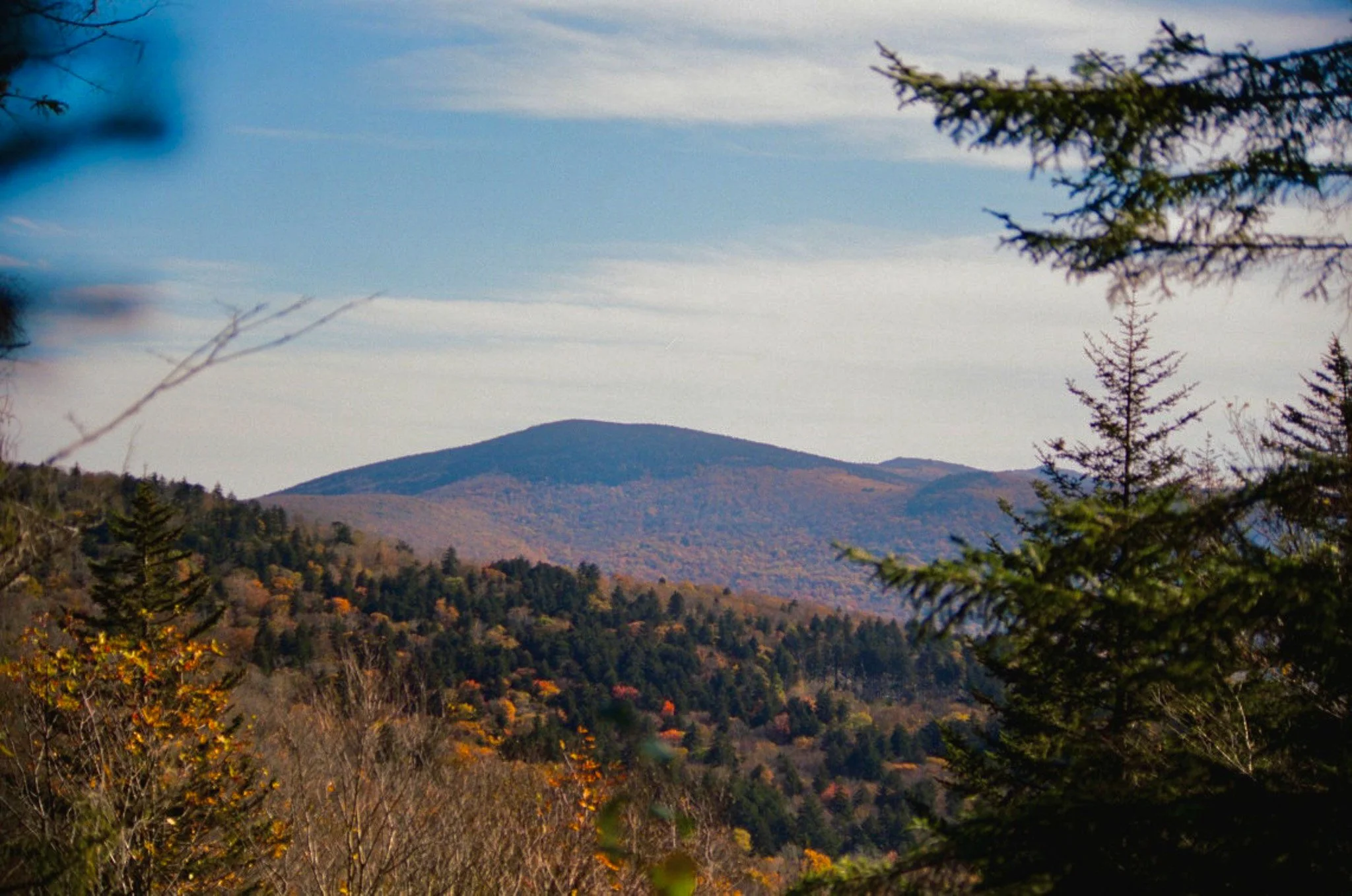
A lonely Mount Rogers watches as the leaves wither and fall away - Southwest Virginia
I think it is appropriate to mourn the loss of something, even if it was lost in the pursuit of an ultimate greater good. As a melancholic sentimentalist, I find myself able to mourn just about anything that has changed, but this is also a great motivating factor to find ways to carry on the legacy of those who came before me. May this Appalachian renaissance inspire others to hang on to some of their vernacular peculiarities as well, and remember and be proud of the place they come from, if even it begins to start looking like something else.